The 7 Daily Habits That Most Urologists Recommend for Long-Term Prostate Wellness
The prostate gland doesn't respond to crash interventions — it responds to consistency. Small, sustainable daily habits, accumulated over months and years, are what urological research consistently identifies as the most meaningful contributors to long-term prostate health.
Why Daily Habits Matter More Than Supplements
The global supplement industry markets aggressively to men concerned about prostate health. Yet when urologists review the evidence, the single most consistent finding is not that any supplement works — it's that lifestyle factors (diet pattern, exercise, sleep, hydration, stress management) have the strongest and most reproducible association with prostate health outcomes.
This guide focuses on what the evidence actually supports: daily behavioral habits that any Indonesian man can implement starting today, at no cost.
Habit 1: Drink Enough Water — The Right Way
Aim for 2–3 liters of water daily, spread across the day. Many men instinctively reduce fluid intake to avoid frequent bathroom trips — this actually backfires. Concentrated urine is a bladder irritant and stresses urinary tract tissues. The key is timing: reduce intake in the 2 hours before bedtime to minimize nocturia (nighttime urination) without reducing overall hydration.
In Indonesia's tropical climate, dehydration is particularly common. Replace sugary drinks (teh botol, minuman bersoda) with plain water and unsweetened green tea — the latter contains EGCG, a polyphenol extensively studied for prostate cellular health.
Habit 2: Daily 30-Minute Moderate Exercise
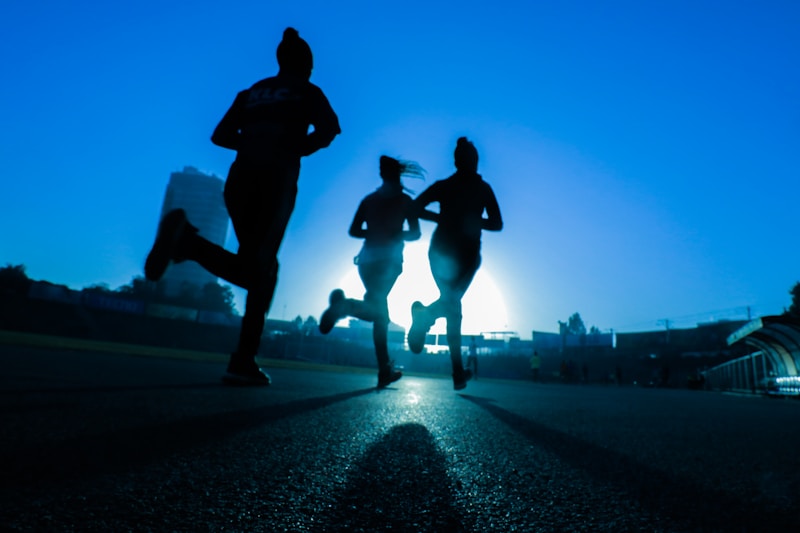
A 2022 meta-analysis covering 43 studies found that men who engaged in regular moderate aerobic exercise had measurably lower markers of prostate inflammation and better urinary flow scores than sedentary counterparts. You don't need a gym — a brisk 30-minute walk daily, badminton, or swimming provides sufficient benefit.
Specifically avoid prolonged cycling sessions without proper equipment, as sustained perineal pressure may worsen urinary symptoms in some men with existing prostate concerns.
Early morning walks at GBK (Gelora Bung Karno), Taman Suropati, or your local RT taman count. Badminton 3× per week is excellent. Swimming at community pools provides full-body aerobic benefit with zero perineal compression.
Habit 3: Prioritize Sleep Quality
The majority of testosterone production, cellular repair, and immune regulation happens during deep sleep. Men who consistently sleep under 6 hours show measurably higher PSA levels and inflammatory markers in some studies. Aim for 7–9 hours in a cool, dark room (23–25°C). A consistent sleep schedule — same bedtime and wake time daily — produces significantly better hormonal regulation than variable sleep timing, even at the same total duration.
Habit 4: Eat More Lycopene-Rich Foods
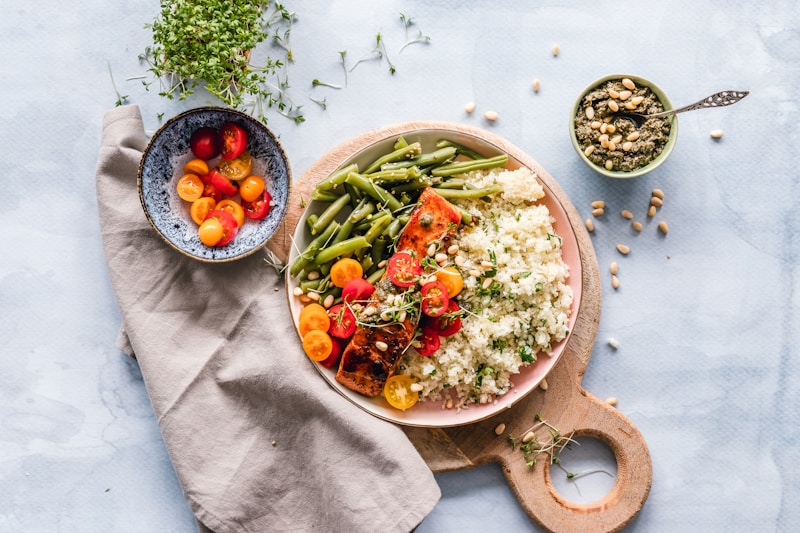
Lycopene is a carotenoid antioxidant concentrated in the prostate. Over 70 studies have examined its relationship to prostate health — the majority finding a positive association between higher lycopene intake and better outcomes. Best of all for Indonesian men: excellent lycopene sources are local and affordable. Cooked or processed tomatoes (sambal tomat, sup tomat, jus tomat) have higher bioavailable lycopene than raw. Pepaya merah, semangka, and jambu biji merah are also rich sources.
Habit 5: Add Pumpkin Seeds as a Daily Snack
Biji labu (pumpkin seeds) are one of the richest plant-based sources of zinc — a mineral uniquely concentrated in the prostate gland. Zinc is involved in testosterone metabolism, cell membrane integrity, and prostate epithelial function. A small handful (30g) daily as a snack provides approximately 4mg of zinc — 40% of the daily recommendation. Replace kerupuk and potato chips with biji labu for an effortless upgrade.
Habit 6: Reduce Pelvic Floor Tension
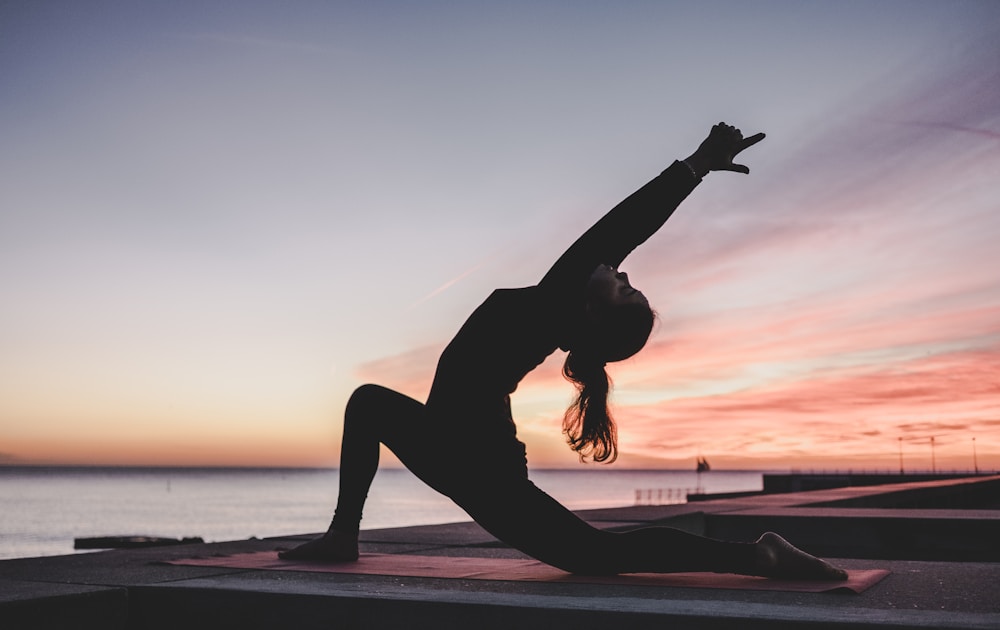
Chronic psychological stress leads to unconscious tightening of the pelvic floor muscles — a significant contributor to chronic pelvic discomfort and urinary symptoms in men. Two approaches work well in combination: (a) Targeted relaxation exercises — deep diaphragmatic breathing, hip-opening yoga poses, and progressive muscle relaxation. (b) Regular breaks from prolonged sitting — standing up and moving for 5 minutes every hour, especially for Jakarta office workers.
Habit 7: Schedule Annual Health Reviews
The most consistently recommended preventive action in men's health literature: see a physician annually. For men over 40, this ideally includes a discussion about PSA screening timing, blood pressure, metabolic panel (glucose, lipids), and urinary symptom assessment using the International Prostate Symptom Score (IPSS). In Indonesia, this can be accessed through private hospital poliklinik urologi or via BPJS referral to a spesialis urologi.
This article is for general educational purposes only. None of the habits described here replace professional medical evaluation, diagnosis, or treatment. If you experience urinary changes, pelvic discomfort, or blood in urine or semen, consult a licensed physician promptly. Do not modify medications or treatment plans based on this content.