Exercise, Sleep & Stress Management for Prostate Health: The Complete Guide
Beyond diet, three lifestyle pillars consistently emerge in prostate health research: regular physical activity, quality sleep, and effective stress management. Together, they regulate the inflammatory, hormonal, and neurological signals that most directly influence how the prostate functions over time.
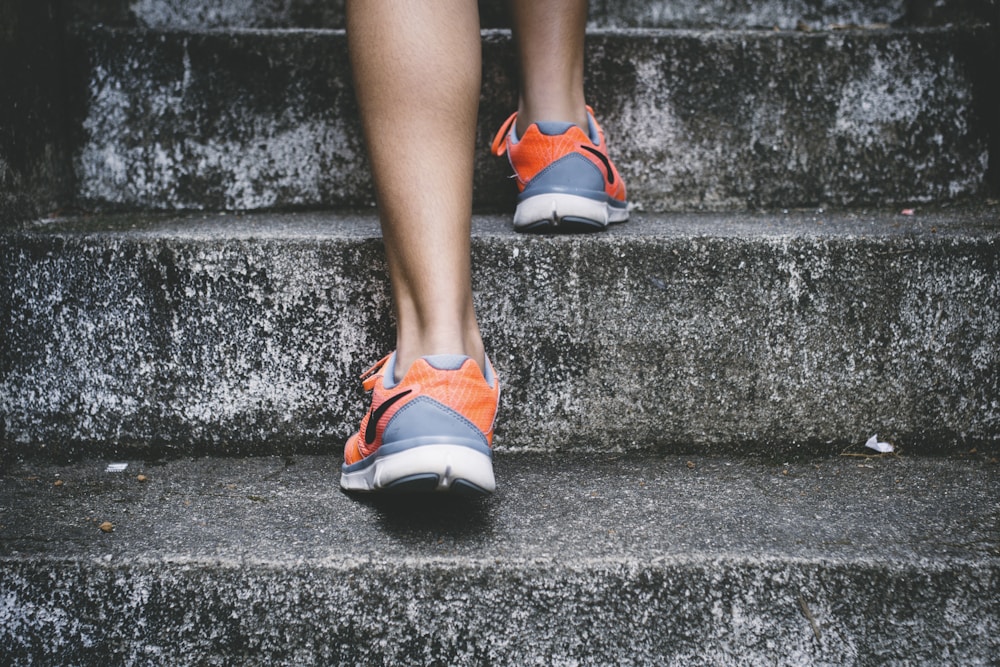
Part 1: Exercise
The relationship between physical activity and prostate health is one of the most robustly established in men's urological research. A 2023 systematic review published in European Urology found that men who exercised regularly (≥150 min/week of moderate activity) had significantly better Lower Urinary Tract Symptom (LUTS) scores and lower PSA-associated inflammatory markers than sedentary counterparts.
Best Exercise Types for Prostate Wellness
- Brisk walking or jogging (30 min/day) — the most universally recommended. Reduces inflammatory cytokines, improves pelvic circulation, supports healthy testosterone-to-cortisol ratio
- Swimming — excellent full-body aerobic exercise with no perineal compression. Ideal for men experiencing urinary symptoms
- Badminton — Indonesia's national sport; 45-minute sessions provide superior aerobic benefit and social wellness
- Resistance training 2–3×/week — maintains lean muscle, supports hormonal regulation, reduces visceral fat (which converts testosterone to estrogen)
- Pelvic floor (Kegel) exercises — strengthen the levator ani muscles; reduce urinary urgency and frequency in men with mild LUTS
Identify the muscles: imagine you're trying to stop urine flow mid-stream. Contract these muscles for 5 seconds, relax for 5 seconds. Repeat 10–15 times, 3 sets per day. Progress to 10-second holds over 4–6 weeks. Can be done anywhere — sitting, lying, or standing — completely discreetly.
What to Avoid
Prolonged cycling without proper ergonomic setup can compress the pudendal nerve and perineum, worsening urinary symptoms in sensitive men. Use a wide, padded saddle and limit continuous sessions to under 45 minutes if you experience perineal discomfort.
Part 2: Sleep Optimization
The connection between sleep and prostate health operates through multiple mechanisms: testosterone production (90% occurs during sleep), inflammatory cytokine regulation, and cellular DNA repair. Men sleeping under 6 hours show measurably higher CRP (C-Reactive Protein) and IL-6 levels — key inflammatory markers associated with prostate tissue stress.
Practical Sleep Improvements
- Target 7–8 hours in a cool room (23–25°C is optimal for hormone regulation)
- Maintain consistent bedtime and wake time — circadian rhythm stability is more important than total duration
- Reduce fluid intake 2 hours before sleep to minimize nighttime urination disruption
- Avoid screens 60 minutes before bed — blue light suppresses melatonin by up to 50%
- If you snore heavily or feel unrefreshed after sleep, discuss sleep apnea evaluation with your doctor — it's highly prevalent in Indonesian men and significantly disrupts hormonal health
Part 3: Stress Management
The cortisol-testosterone inverse relationship is well-established in endocrinology. Chronically elevated cortisol (from work pressure, financial stress, relationship difficulties) directly suppresses the hypothalamic-pituitary-gonadal axis — reducing testosterone output and increasing aromatase activity in fat tissue. The result: lower testosterone, higher estrogen, and increased systemic inflammation — all unfavorable for prostate health.
Evidence-Supported Stress Reduction
- 20-minute daily mindfulness/meditation — lowers cortisol by 15–20% in controlled studies. Apps like Headspace, Calm, or simple breath focus work equally well
- Nature exposure — 20+ minutes in a park or green space reduces cortisol measurably; Taman Kota and GBK in Jakarta are accessible options
- Social connection — strong social bonds are one of the most consistent predictors of hormonal health in men across cultures
- Digital boundary-setting — limiting news consumption and work messaging outside work hours reduces chronic low-grade stress activation
- Regular leisure activity — hobbies, music, and non-competitive physical activity all lower sympathetic nervous system activity
Lifestyle changes support wellness but do not treat or diagnose prostate conditions. If you experience significant urinary symptoms, pelvic pain, or other concerning changes, consult a urologist (spesialis urologi). Do not substitute lifestyle changes for professional medical care.