What to Eat for Prostate Health: A Practical Guide Using Indonesian Foods
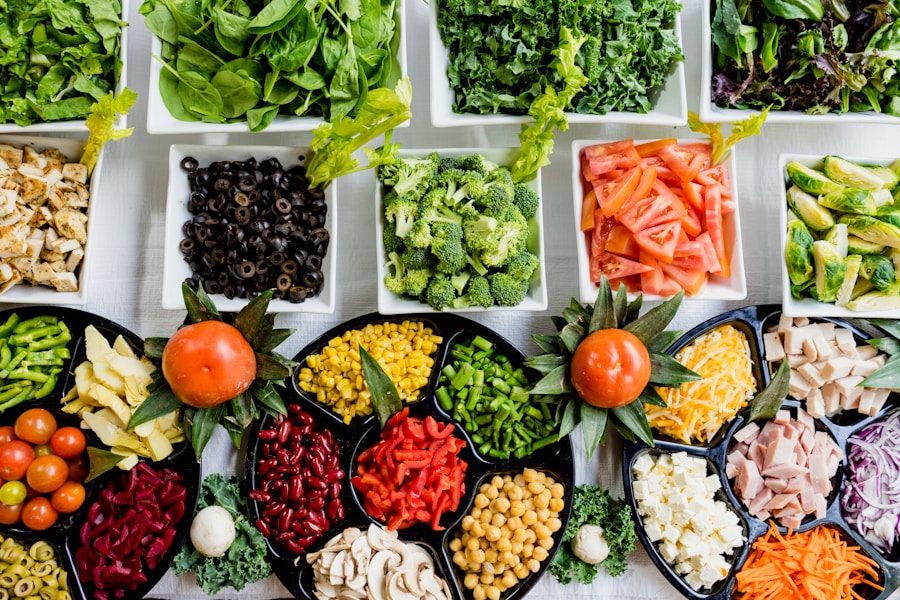
Research on diet and prostate health has matured significantly over the past decade. The consistent finding: anti-inflammatory eating patterns, rich in specific phytonutrients, are associated with better prostate health outcomes — and many key nutrients are abundant in everyday Indonesian foods.
The Anti-Inflammatory Diet Framework
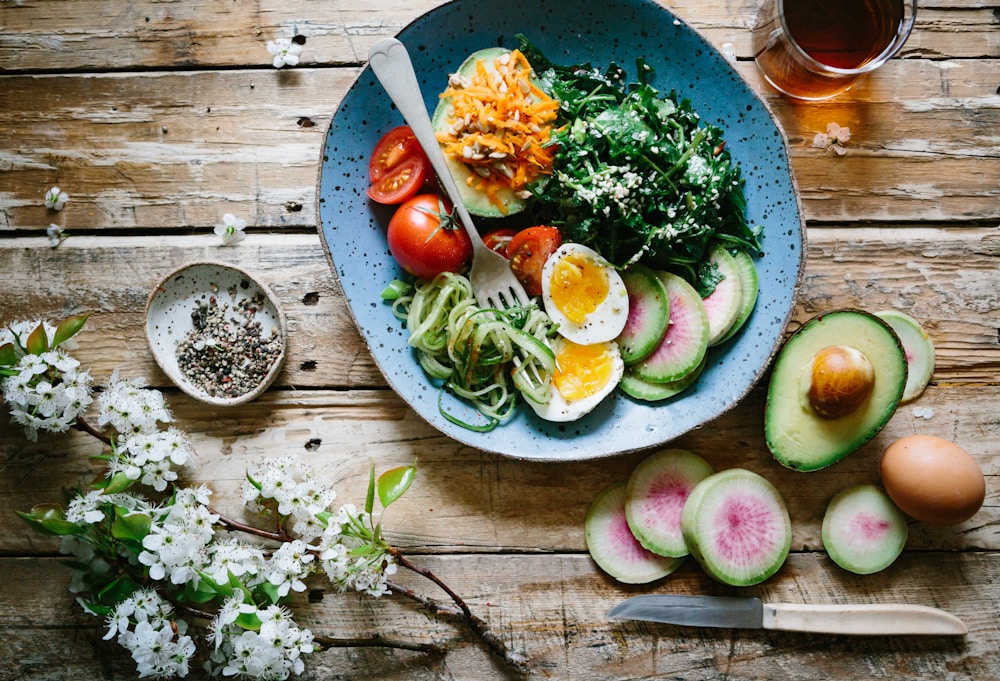
Rather than focusing on individual "superfoods," the most robust research supports an overall dietary pattern: high in vegetables, fruits, whole grains, legumes, and fatty fish — low in processed meats, refined sugars, and excess saturated fat. This pattern reduces systemic inflammatory markers including IL-6 and CRP, which are directly linked to prostate inflammation.
Priority Nutrients for Prostate Care
🍅 Lycopene — The Prostate-Specific Carotenoid
Lycopene accumulates in prostate tissue at higher concentrations than in any other organ. Over 70 epidemiological studies link higher lycopene intake to improved prostate health outcomes. Key practical point: lycopene is fat-soluble and heat-stable. Cooked tomatoes in oil (sambal goreng, sup tomat, saus tomat) are far more bioavailable than raw tomatoes. Best local sources: tomat masak, pepaya merah, semangka, jambu biji merah, tomat ceri.
⚡ Zinc — The Prostate's Essential Mineral
Prostate epithelial cells maintain zinc concentrations 10× higher than blood plasma. Zinc is essential for testosterone metabolism, DNA repair, and prostate secretory function. Indonesian men eating high-refined-carbohydrate diets (white rice dominant) often show insufficient zinc intake. Best local sources: biji labu kuning, kerang (shellfish), tempe, daging sapi tanpa lemak, kacang merah.
🐟 Omega-3 Fatty Acids
EPA and DHA from marine sources modulate the COX-2 inflammatory pathway — the same pathway implicated in prostate inflammation. A high omega-3 to omega-6 ratio is consistently associated with lower prostate-specific inflammatory markers. Best local sources: ikan makarel, ikan tuna, ikan kembung, ikan sardin kaleng in water (not oil). Aim for fatty fish 3–4× per week.
🥦 Sulforaphane — From Cruciferous Vegetables
Sulforaphane, formed when cruciferous vegetables are chewed or chopped, activates the Nrf2 antioxidant defense system and has been studied extensively in prostate cellular research. Including brokoli, kembang kol, sawi hijau, or kubis 4–5× per week is one of the most impactful dietary changes men can make. Lightly steamed is optimal — overcooking destroys the enzyme needed for sulforaphane formation.
🍵 Green Tea EGCG
Epigallocatechin gallate (EGCG) is the most abundant polyphenol in green tea. It has been studied for its ability to modulate androgen receptor signaling in prostate cells. 2–3 cups of unsweetened green tea daily is a practical, culturally accessible addition. Choose loose-leaf varieties (teh hijau) over bottled sweetened versions.
🌅 Sarapan: Oatmeal + pepaya merah + biji labu + teh hijau tanpa gula
☀️ Makan siang: Nasi merah + ikan makarel bakar + brokoli tumis + sup tomat
🌇 Makan malam: Tempe bacem + sawi tumis bawang putih + telur rebus + air putih
🍵 Camilan: Segenggam biji labu atau walnut + teh hijau
Foods to Minimize
- Processed and red meats — sosis, kornet, daging olahan: high saturated fat and nitrates linked to inflammatory markers
- Sugar-sweetened drinks — teh botol, kopi susu sachet, minuman bersoda: drive insulin resistance and systemic inflammation
- Alcohol — disrupts testosterone metabolism; limit to <2 drinks/week
- Excessive refined white rice — high glycemic load drives insulin spikes; transition toward nasi merah (brown rice)
- Deep-fried snacks — high in oxidized omega-6 fats that promote inflammation
Dietary choices are one component of a holistic approach to wellness. This guide does not constitute nutritional therapy or medical advice. If you have existing health conditions (diabetes, kidney disease, cardiovascular conditions), consult a physician or registered nutritionist (ahli gizi) before making significant dietary changes.